Bridging Casino Table Play with Mobile Reward Systems Through Flexible Payments and Loyalty Frameworks
Bianca Bauer · Jun 14, 2026

Bridging Casino Table Play with Mobile Reward Systems Through Flexible Payments and Loyalty Frameworks
Table game environments generate direct player engagement that operators now route into mobile prize structures, and transaction flexibility combined with loyalty frameworks serves as the mechanism for that transfer. Data from regulatory bodies shows increased integration across platforms where physical table sessions feed into digital reward accounts without separate registration steps. Observers note that players complete a single verification process which then carries across both environments, allowing points earned at tables to unlock portable prize options such as instant credit or tournament entries on mobile devices.
Transaction Flexibility as the Connector
Payment systems that support instant deposits and withdrawals reduce friction between table sessions and mobile prize pathways, while multiple methods including cards, e-wallets, and bank transfers enable seamless movement of funds. Research indicates that platforms offering these options record higher retention rates because players can adjust stakes or claim rewards mid-session without delays. In June 2026 industry reports documented a measurable rise in cross-platform activity where flexible transaction tools allowed loyalty points accumulated at tables to convert directly into mobile bonus credits within the same account dashboard.
Loyalty Structures and Point Portability
Loyalty programs track table interactions through standardized metrics such as time played, average bet size, and game type, then translate those metrics into points that remain accessible on mobile applications. Experts have observed that tiered structures reward consistent table participation with escalating benefits including priority access to daily prize draws or exclusive mobile tournaments. Those who study player behavior patterns find that portable points maintain value across devices because the underlying system synchronizes in real time, eliminating the need for manual transfers or separate balances.
One study revealed that integration of loyalty data with transaction logs creates a continuous record, and this record supports automated reward distribution when certain thresholds are met. Players often discover that points earned during evening table play appear as available credits on their mobile interface by the following morning, ready for use in progressive or tournament formats. What's significant is the elimination of platform-specific silos, which previously required players to manage separate accounts for table and mobile activities.
Current Patterns in June 2026
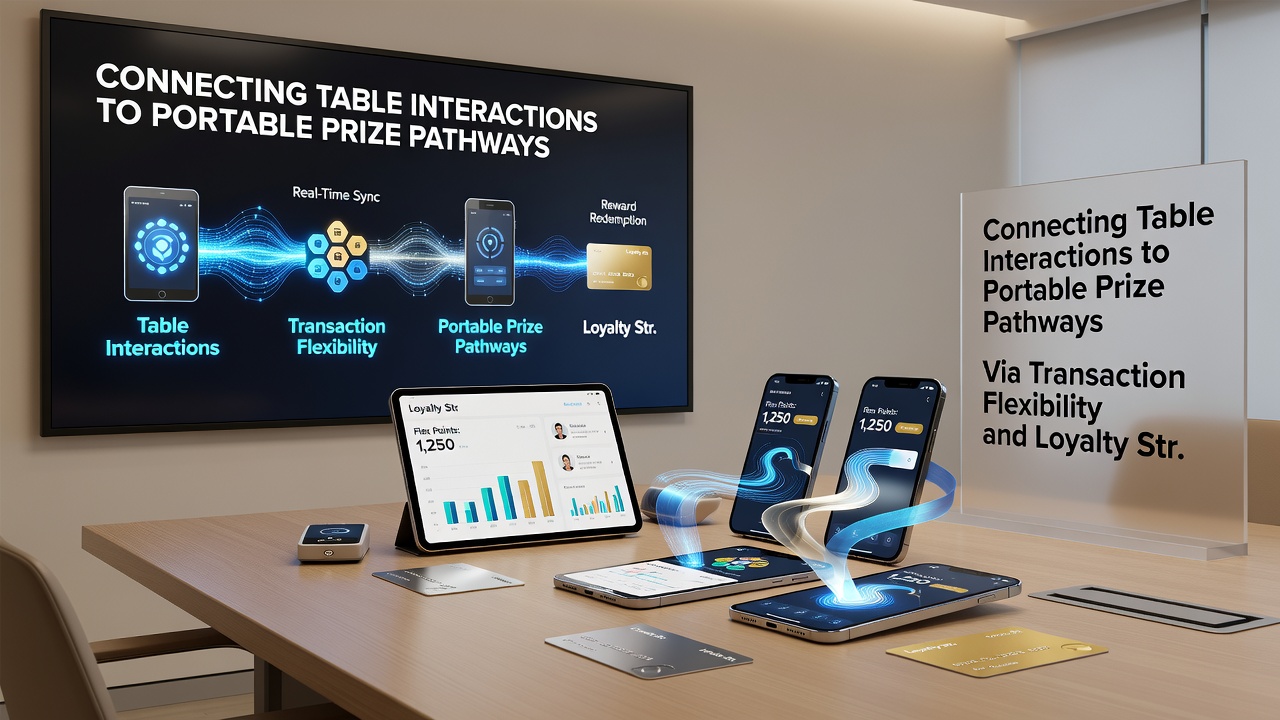
Operators have expanded these connections during 2026, and figures from the Nevada Gaming Control Board show continued growth in combined table and mobile engagement metrics. The systems now incorporate real-time notifications that alert players when table-earned points reach levels sufficient for mobile prize activation. Researchers discovered that such notifications increase the frequency of cross-platform movement because they reduce the cognitive load of tracking multiple reward streams.
Industry organizations report that loyalty frameworks increasingly incorporate elements from both land-based and online environments, creating unified pathways where a single point balance applies to table upgrades, mobile cashback, and portable tournament entries. Turns out the flexibility in transaction processing supports this unification because deposits made via mobile can immediately influence table credit limits while points flow in the opposite direction without additional fees or conversion steps.
Examples from Operational Data
Take one operator who implemented synchronized loyalty tracking in early 2026, and that change produced measurable increases in session duration across both table and mobile channels. Data shows players who engage at tables during peak hours often activate mobile prize pathways within the same 24-hour window, using flexible withdrawal options to move winnings between environments. Academic sources such as those published through the Australian Institute of Family Studies have examined similar integration models and noted that unified systems reduce account fragmentation while maintaining regulatory compliance across jurisdictions.
Additional patterns emerge when transaction flexibility allows micro-adjustments to point redemption values, and these adjustments align with player preferences for either immediate mobile credits or longer-term loyalty tier advancement. Observers note that the combination creates multiple routes to portable prizes without forcing players into a single redemption style.
Conclusion
The linkage between table interactions and mobile prize pathways continues to rely on transaction flexibility paired with portable loyalty structures, and evidence from multiple regulatory and research sources confirms ongoing development in this area during 2026. Systems that maintain synchronized records and support varied payment methods enable players to move between environments while retaining access to accumulated rewards, and this connectivity forms the operational foundation for current industry practices.