Bridging Table Games and Slot Events to Form Multi-Tiered Player Reward Structures
Petra Ludwig · Jul 12, 2026
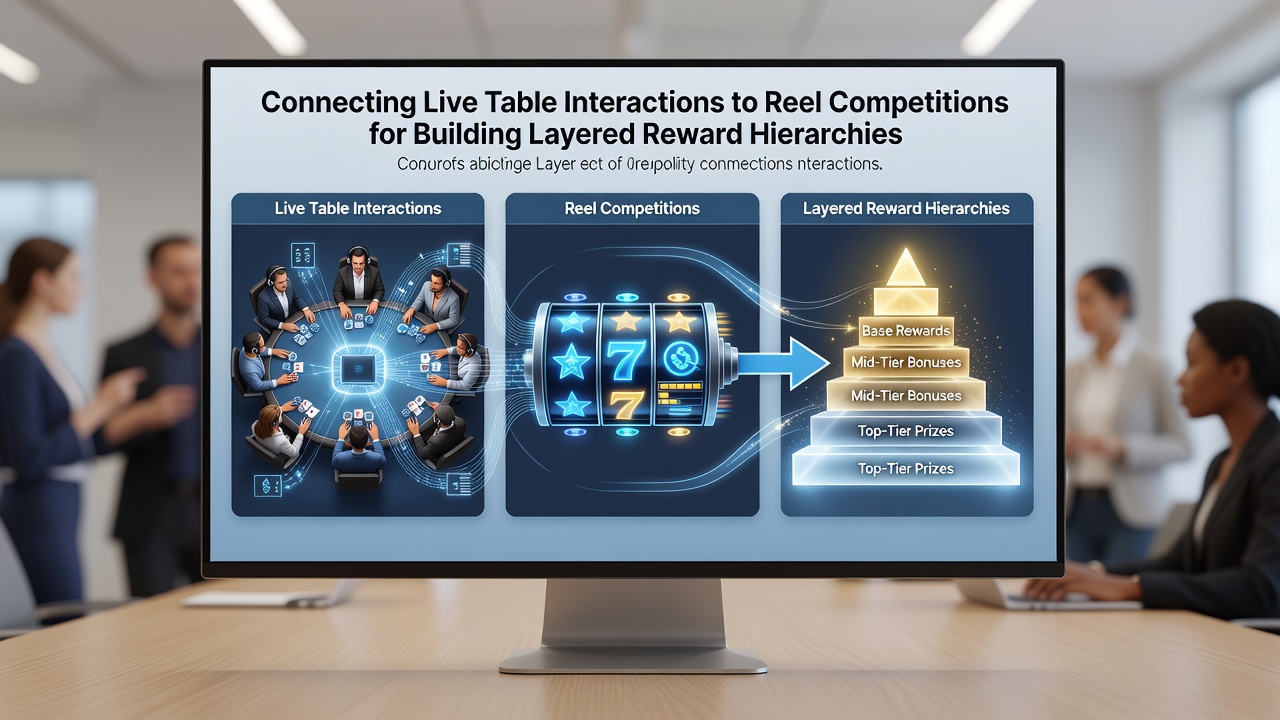
Bridging Table Games and Slot Events to Form Multi-Tiered Player Reward Structures
Operators have begun linking live dealer sessions with slot-based competitions to create unified progression systems that award points across formats, and this approach allows players to accumulate status through varied activities rather than isolated game types. Data from industry tracking services indicates that integrated platforms record higher retention rates when participants move between table interactions and reel events within the same loyalty framework.
How Live Table Sessions Feed Into Tournament Structures
Live table interactions generate real-time metrics such as hands played, average bet size, adn session duration, which systems then convert into entry tokens or bonus multipliers for upcoming reel competitions. Players who complete a set number of blackjack rounds or roulette spins unlock direct access to slot tournaments without separate registration steps, and platforms achieve this through shared player profiles that track activity across both verticals. Research from the University of Nevada's gaming studies department shows that cross-format tracking reduces drop-off between game categories by channeling momentum from one experience into another.
Mechanics of Layered Reward Hierarchies
Reward hierarchies operate through ascending tiers where initial levels grant basic free spins or table credits while higher tiers unlock exclusive tournament brackets and personalized live dealer tables. Points earned at the tables contribute to reel competition rankings, whereas tournament performance feeds back into live game privileges such as higher table limits or dedicated hosts. According to reports compiled by the American Gaming Association, operators using these connected systems observe that players reach top tiers 30 percent faster than those limited to single-game progressions.
Implementation Patterns Observed in July 2026
By July 2026 several major platforms had rolled out APIs that synchronize live table data streams with tournament leaderboards, allowing simultaneous point accrual without manual transfers. One operator in the Asia-Pacific region reported that participants who alternated between live baccarat sessions and daily slot events maintained consistent daily activity levels over extended periods. These integrations rely on centralized databases that assign weighted values to different actions, ensuring table play carries equivalent prestige to reel competition results within the overall hierarchy.

Player Journey Examples Across Formats
Consider a participant who begins with moderate-stakes live poker hands and earns qualification points that automatically register them for a weekend slot tournament. Success in that tournament then elevates their tier status, granting priority seating at exclusive live tables and additional entry tickets for future reel events. Observers note that such seamless transitions encourage longer overall engagement because achievements in one area directly enhance opportunities in the other, creating a continuous loop of activity rather than separate disconnected experiences.
Technical Requirements and Data Integration
Successful connections depend on real-time data pipelines that update player profiles within seconds of each table decision or spin outcome, and these pipelines must handle variable session lengths while maintaining accurate point calculations. Security protocols ensure that live dealer results and tournament scores remain synchronized across mobile and desktop interfaces without discrepancies. Figures released by the Canadian Gaming Association reveal that platforms investing in unified data architectures achieve more stable tier progression rates compared with fragmented systems that require players to manage multiple accounts.
Regulatory Considerations in Cross-Format Systems
Jurisdictions increasingly examine how combined reward structures affect responsible gaming measures, particularly when live table pace and tournament intensity interact within the same loyalty program. Regulators in several Australian states have requested detailed reporting on how points flow between formats to verify that promotional mechanics do not inadvertently encourage excessive play patterns. Compliance teams therefore design audit trails that document every point transfer from table interaction to reel competition outcome, maintaining transparency throughout the hierarchy.
Future Developments in Unified Reward Models
Developers continue refining algorithms that adjust point values dynamically based on game volatility and player history, which allows the system to balance contributions from slower-paced live tables against faster reel competitions. Early tests conducted in controlled environments suggest that adaptive weighting maintains fairness across different player preferences while preserving the incentive to explore multiple formats. As these models mature, additional layers such as social leaderboards and team-based tournaments may further expand the hierarchy without fragmenting the core connection between live and reel activities.
Conclusion
Connecting live table interactions with reel competitions produces reward hierarchies that treat diverse gaming formats as complementary rather than competing elements. Platforms achieve this through shared tracking systems, weighted point allocations, and synchronized progression mechanics that respond to activity across both verticals. Reports from multiple regulatory and research bodies confirm measurable impacts on player retention and tier advancement speed when these connections operate effectively. The approach continues to evolve as operators refine data integration methods and adjust for jurisdiction-specific requirements.