Integrated Live Dealer and Slot Pool Mechanics Expand Reward Options in Mobile Gaming Competitions
Bianca Bauer · Aug 16, 2026
Integrated Live Dealer and Slot Pool Mechanics Expand Reward Options in Mobile Gaming Competitions
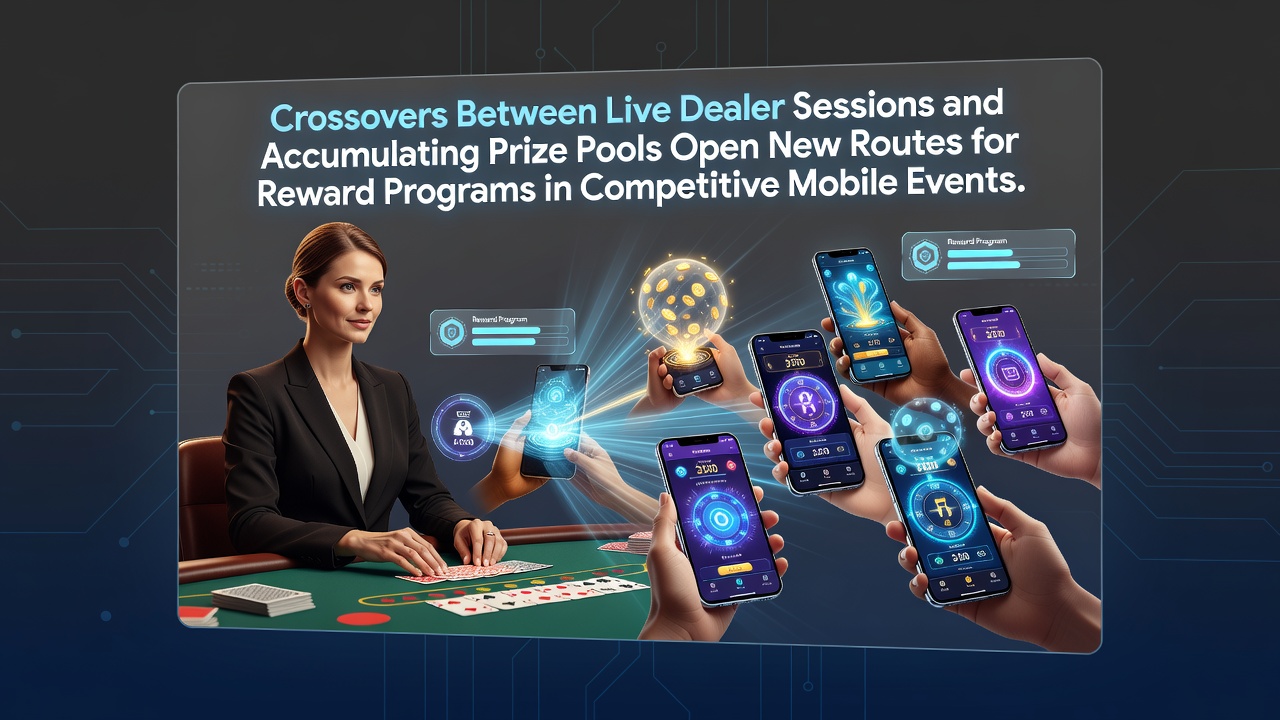
Live dealer sessions have begun incorporating elements from accumulating prize pools that originate in slot environments, and this crossover creates structured pathways for reward programs within competitive mobile events. Data from industry monitoring in August 2026 shows operators linking real-time table interactions with progressive accumulations to generate shared reward tiers that players access through mobile applications. These integrations appear in formats where participants in live dealer games contribute to or draw from pools that also feed slot-based competitions, which allows reward structures to span multiple game categories without requiring separate accounts or isolated progress tracking.
Mechanics of Cross-Platform Prize Accumulation
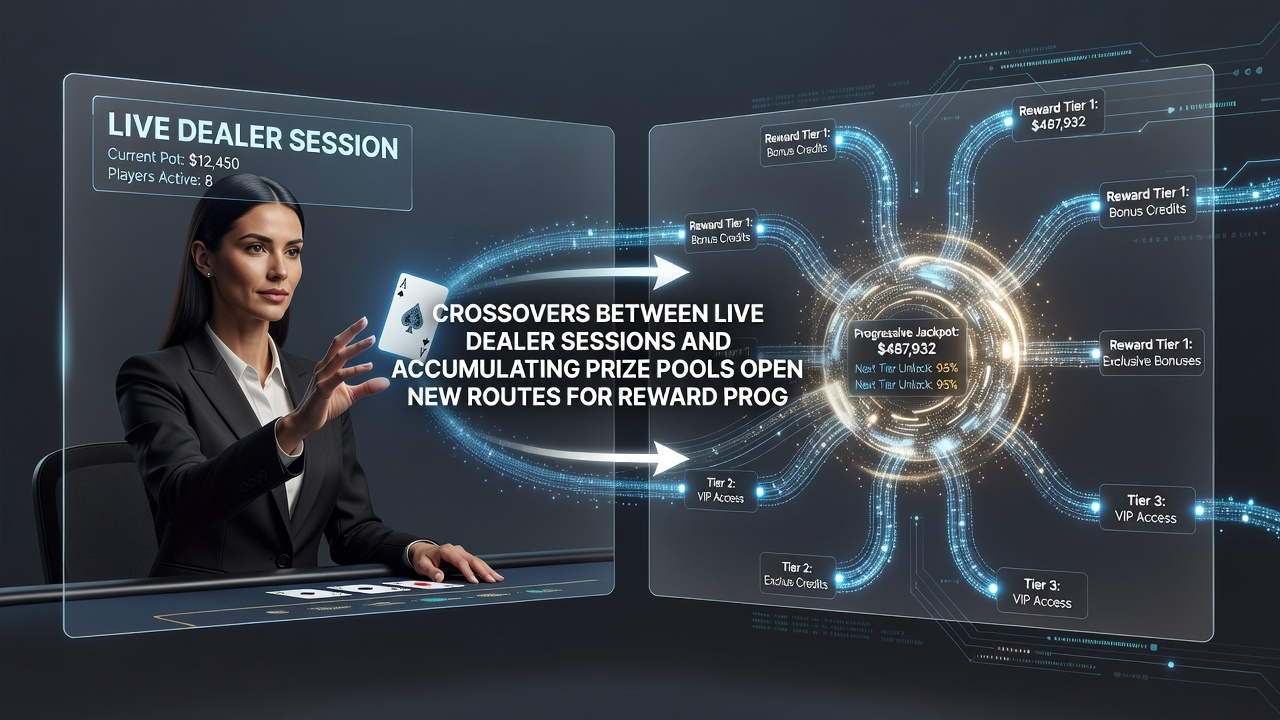
Operators configure systems so that wagers placed during live dealer sessions add to centralized pools that simultaneously support mobile slot tournaments. A player completing a hand of blackjack or roulette contributes a percentage that feeds the same accumulation used in slot events, while the reverse flow permits slot participants to influence pool sizes available in scheduled live dealer rounds. According to figures released by the New York State Gaming Commission, such linked pools grew by measurable percentages during the first half of 2026, with mobile event entries rising in parallel. The technical setup relies on synchronized ledgers that update in real time, ensuring that contributions register across platforms without delay and that reward eligibility updates appear instantly on mobile interfaces.
Impact on Mobile Reward Programs
Reward programs in competitive mobile events now incorporate hybrid milestones that combine live dealer participation with slot pool contributions. Players accumulate points or status levels by engaging in both formats during designated periods, which unlocks tiered benefits such as exclusive tournament entries or enhanced payout multipliers. Observers note that these programs reduce fragmentation because a single activity history tracks progress across live and automated games. Research conducted by the University of Las Vegas Center for Gaming Research indicates that retention metrics improve when reward pathways connect different game types rather than isolating them, because participants maintain continuous engagement without switching applications or resetting progress counters.
Competitive mobile events scheduled throughout August 2026 featured daily prize pools that drew from both live dealer tables and slot accumulations. Event organizers published leaderboards that reflected combined activity, so a participant advancing in a live dealer session could see their standing improve relative to slot-only competitors and vice versa. This structure creates direct competition across previously separate categories while maintaining regulatory separation between game classifications.
Technical and Regulatory Considerations
Implementation requires application programming interfaces that connect live dealer platforms with slot management systems in compliance with jurisdiction-specific rules. Canadian regulators through the Alcohol and Gaming Commission of Ontario have documented guidelines that address how cross-game pools must maintain transparent contribution rates and verifiable random outcomes. These requirements ensure that players receive clear information about how their activity in one format affects rewards available in another. Industry associations such as the European Gaming and Betting Association have published position papers that outline best practices for data synchronization and player communication when operators introduce these hybrid reward routes.
Security protocols include encrypted transaction logs that record every contribution to accumulating pools regardless of originating game type. Mobile applications display real-time updates to pool totals and individual reward progress, which allows participants to monitor eligibility without leaving the active session. Testing conducted by independent laboratories confirms that latency remains low even when thousands of simultaneous users engage across live dealer streams and slot interfaces during peak event windows.
Examples from Recent Deployments
One deployment in a North American market during summer 2026 connected live dealer blackjack tables with a progressive pool previously limited to slot tournaments. Participants who entered mobile events received notifications when live dealer activity increased the pool size, and top performers in either category shared distribution from the same accumulation. Similar patterns emerged in European markets where operators introduced weekly competitions that required minimum activity across both live and slot products to qualify for final reward draws. These cases demonstrate that the crossover model supports varied event scales while preserving the distinct characteristics of each game type.
Conclusion
Crossovers between live dealer sessions and accumulating prize pools establish measurable new routes for reward programs in competitive mobile events by unifying contribution tracking and eligibility criteria. Data from regulatory bodies and research institutions confirm that synchronized systems produce higher engagement levels across game categories while satisfying technical and compliance standards. As operators continue to refine these integrations through August 2026 and beyond, the resulting structures provide players with expanded pathways that connect previously separate gaming formats into cohesive reward ecosystems.