Loyalty Incentives and Tournament Dynamics Converge in Mobile Casino Experiences
Petra Ludwig · Jul 8, 2026
Loyalty Incentives and Tournament Dynamics Converge in Mobile Casino Experiences
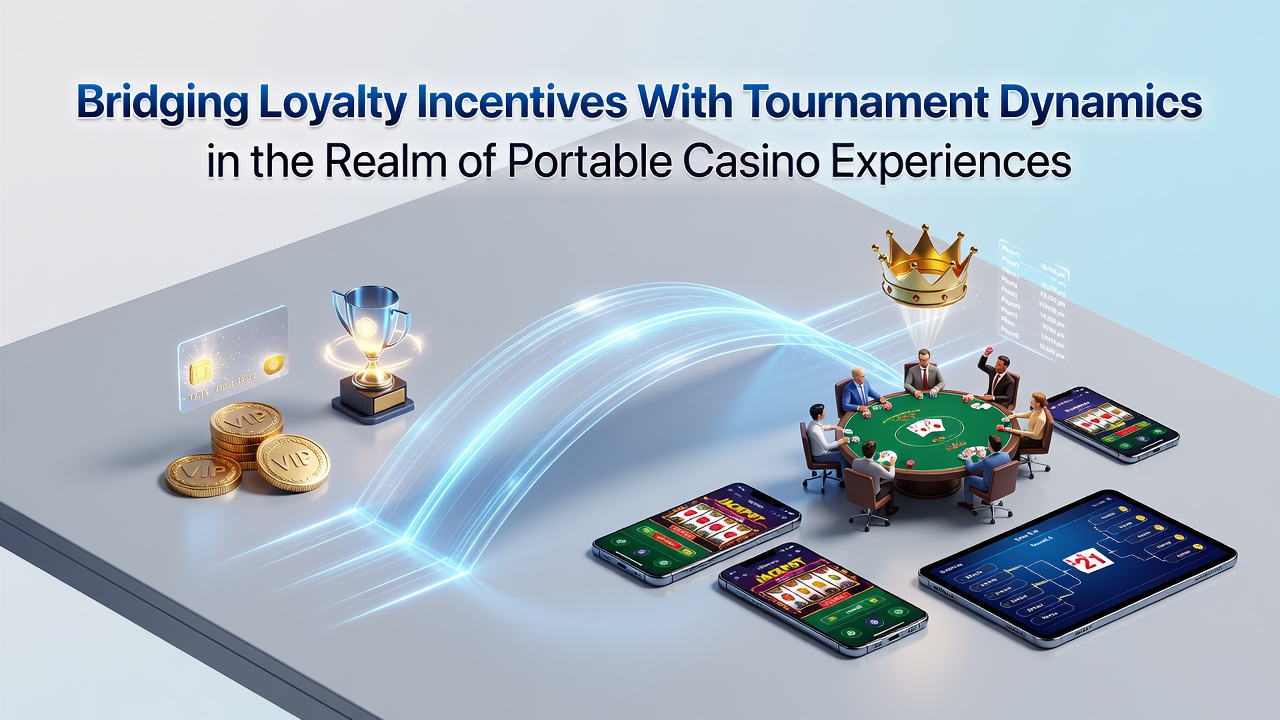
Portable casino platforms continue to merge structured reward systems with competitive event formats as operators respond to player engagement patterns observed across global markets, and data from regulatory filings indicate sustained growth in mobile participation rates through mid-2026. Observers note that loyalty incentives such as tiered point accumulation and personalized bonus allocations now frequently align with tournament entry requirements, creating pathways where accumulated rewards directly influence competitive standing or prize eligibility.
Industry reports highlight how mobile applications facilitate real-time tracking of both loyalty metrics and tournament performance, allowing seamless transitions between everyday play sessions and scheduled events. According to figures released by the American Gaming Association, mobile gambling revenue reached record levels in the first half of 2026, with tournament formats contributing measurable portions of total activity in jurisdictions where such events receive approval.
Structural Elements of Integrated Systems
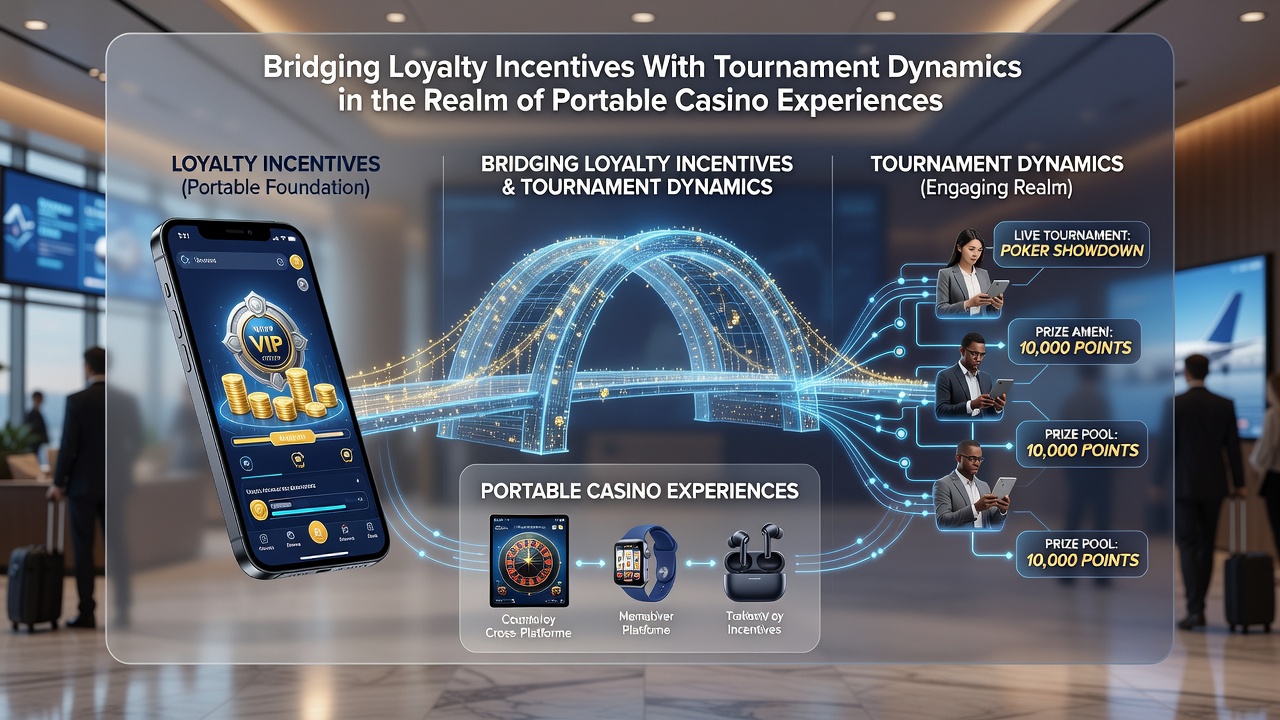
Operators design loyalty frameworks that assign points based on wager volume, session duration, and game type, while tournament mechanics introduce leaderboards, timed rounds, and elimination brackets that award additional credits or exclusive access. These elements connect through shared user profiles that carry loyalty status into tournament registration, where higher tiers often receive entry fee reductions or starting advantages. Research from the University of Nevada's gaming studies department shows that such linkages increase repeat participation rates because players maintain progress across both systems without resetting metrics upon event completion.
Portable interfaces support these connections through push notifications that alert users to upcoming tournaments aligned with their current loyalty level, and data synchronization occurs across devices to preserve continuity. July 2026 updates from several platform providers introduced enhanced API integrations that allow loyalty points to convert into tournament buy-ins at fixed ratios, reducing friction for participants who previously managed separate accounts for each feature.
Regional Implementation Patterns
European markets demonstrate one approach where loyalty multipliers apply specifically during tournament windows, boosting point earnings for players who maintain active status. In contrast, North American operators emphasize tournament-exclusive loyalty challenges that unlock upon reaching certain leaderboard positions. Australian regulatory summaries from the same period reveal similar patterns, with state-level data indicating that combined systems correlate with extended average session lengths compared to standalone loyalty or tournament offerings.
Payment processing speed plays a supporting role in these integrations, as instant deposit options enable quick entry into time-sensitive tournaments without interrupting loyalty accumulation streaks. Transaction records from major processors show that players utilizing combined reward and competition features complete deposits at higher frequencies during promotional periods tied to major events.
Technical and Compliance Considerations
Platform developers implement secure data partitioning to ensure loyalty balances remain distinct from tournament prize pools, satisfying audit requirements from bodies such as the Malta Gaming Authority. Encryption protocols protect user progress data during cross-feature transfers, and compliance teams conduct regular reviews to verify that incentive structures do not create unintended advantages for specific player segments. Technical documentation released in early 2026 outlines standardized protocols for point-to-entry conversions that multiple operators adopted to streamline multi-jurisdictional operations.
Player behavior analytics further refine these bridges by identifying optimal timing for tournament launches based on loyalty activity peaks, resulting in coordinated calendars that maximize overlap between high-engagement loyalty periods and competitive events. External research from the Canadian Centre for Gaming Research supports the observation that synchronized scheduling produces measurable upticks in overall platform retention when loyalty and tournament cycles align closely.
Conclusion
Portable casino environments demonstrate continued evolution in how loyalty incentives interface with tournament dynamics, supported by technical infrastructure and regulatory frameworks across multiple regions. Integration approaches vary by market yet consistently rely on shared data systems that allow players to leverage rewards within competitive contexts, and ongoing platform updates through 2026 maintain these connections while addressing compliance and user experience requirements.