Mobile Platforms and Tournament Formats Forge Advanced Pathways in Reward Allocation Systems
Logan Vogel · Jul 3, 2026

Mobile Platforms and Tournament Formats Forge Advanced Pathways in Reward Allocation Systems
Core Elements of Portable Interfaces in Modern Systems
Portable interfaces encompass applications designed for smartphones and tablets that facilitate real-time user engagement across multiple platforms while researchers have documented their role in streamlining access to competitive events and observers note that these tools integrate payment processing, notification systems, and data analytics into single streamlined environments. Data from technology assessments released in July 2026 highlight growth in adoption rates among organizations that manage large-scale reward programs and the interfaces allow participants to register, track progress, and receive allocations without traditional desktop constraints.
Developers have refined these interfaces to support cross-device synchronization which ensures that users maintain consistent experiences whether they switch between phones or tablets during an ongoing activity and studies from academic institutions demonstrate measurable improvements in participation metrics when such synchronization features operate effectively. Companies deploying these systems report reduced latency in information delivery which supports more dynamic interactions between organizers and entrants.
Structure and Mechanics of Event-Based Competitions
Event-based competitions operate on fixed timelines that incorporate structured challenges where participants compete for predefined rewards and industry reports indicate these formats range from short daily sessions to multi-week campaigns that draw entrants from diverse geographic regions. Organizers leverage scoring algorithms and leaderboard updates that refresh continuously to maintain engagement levels throughout the duration of each cycle.
Regulatory bodies in various regions including the Federal Trade Commission have issued guidelines on transparency requirements for these competitions which emphasize clear disclosure of eligibility criteria and distribution rules. European Union digital market analyses further reveal that standardized reporting practices help maintain trust in allocation outcomes across borders.
Integration Patterns Creating Expanded Networks
Connections between portable interfaces and event-based competitions generate expanded prize distribution networks through automated tracking that links individual performance data directly to reward mechanisms and analysts observe that this integration reduces manual processing steps while increasing the speed at which allocations reach recipients. Real-time dashboards within mobile applications display accumulated points or rankings that feed into centralized systems responsible for final disbursements.
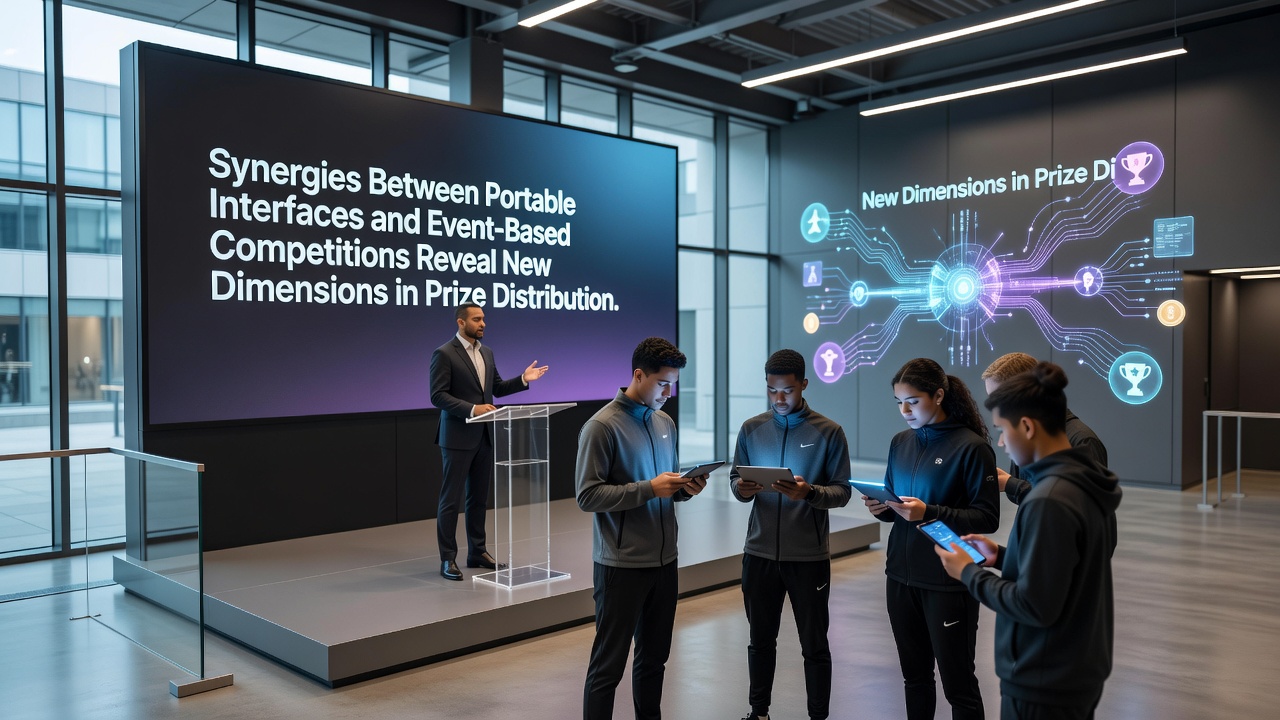
One case documented by technology research groups shows how a global marketing platform combined mobile registration with weekly challenges to distribute digital vouchers to over 500,000 participants in a single quarter and the system utilized geolocation features alongside performance metrics to segment rewards according to predefined tiers. Such approaches allow networks to scale without proportional increases in administrative overhead.
Additional layers emerge when these platforms incorporate third-party payment processors and data from July 2026 indicates that partnerships with regional financial services providers have accelerated settlement times in multiple jurisdictions. Observers note that security protocols embedded in the interfaces protect transaction details while enabling seamless transfers to user accounts.
Technical Frameworks Supporting Distribution Efficiency
Backend architectures that underpin these synergies rely on application programming interfaces that connect front-end mobile experiences with competition management databases and developers implement encryption standards alongside audit trails to satisfy compliance obligations across different regulatory environments. Research papers from institutions such as those affiliated with Massachusetts Institute of Technology examine optimization models that balance load distribution during peak competition periods.
Scalability testing conducted by industry consortia demonstrates that well-designed networks handle simultaneous entries from hundreds of thousands of users without degradation in service quality. Updates deployed in mid-2026 incorporated machine learning elements that predict participation spikes and pre-allocate resources accordingly.
Conclusion
Portable interfaces combined with event-based competitions continue to reshape prize distribution networks by enabling faster, more transparent allocation processes that reach broader participant bases. Organizations adopting these combined approaches benefit from streamlined operations while regulatory frameworks in multiple regions provide guidance that supports responsible implementation. Continued technical refinements will likely sustain these developments in coming periods.