Payment Flexibility Fueling Long-Term Engagement in Mobile Tournament Circuits and Loyalty Tiers
Jakob Schulz · May 17, 2026
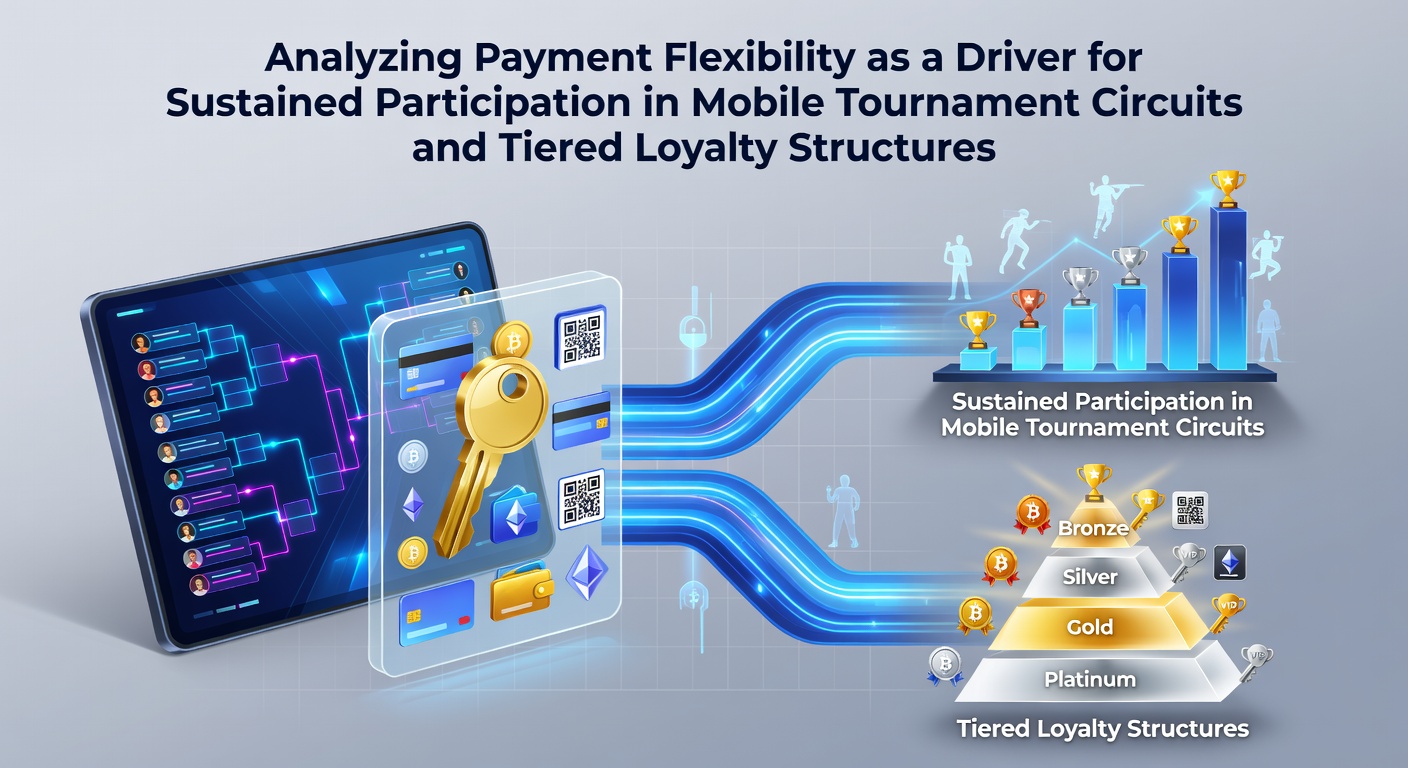
Payment Flexibility Fueling Long-Term Engagement in Mobile Tournament Circuits and Loyalty Tiers
Payment flexibility has emerged as a central factor in how participants maintain involvement across mobile tournament circuits and tiered loyalty structures, with data from industry analyses showing consistent correlations between seamless transaction methods and extended engagement periods. Operators have integrated options such as e-wallets, instant bank transfers, and card-based systems that reduce friction during entry fees, prize claims, and ongoing deposits, allowing users to focus on competitive play rather than processing delays.
Researchers have documented these patterns through longitudinal tracking of player behavior, noting that circuits operating in regions with advanced digital payment infrastructure report higher retention rates compared to those relying on traditional methods alone. For instance, tournaments scheduled throughout 2026 have incorporated real-time payout features that align with daily prize drops and progression milestones, creating a cycle where quick access to funds encourages repeated participation without interruption.
Mechanics of Flexible Payments in Tournament Settings
Within mobile tournament circuits, entry processes benefit directly from diversified payment gateways because they support multiple currencies and immediate confirmations, which minimize drop-off during registration windows. Studies indicate that platforms offering instant verification for deposits see sustained activity levels, as players can adjust strategies mid-event without waiting for approvals that once lasted hours or days. This setup proves especially relevant in circuits spanning multiple time zones, where timing matters for competitive edges and leaderboard positioning.
Observers note that loyalty structures layered on top of these circuits gain traction when payments tie into tier advancement criteria, such as cumulative spend or frequency bonuses unlocked through seamless transactions. Data shows participants advance through tiers more steadily when withdrawal limits and deposit caps adjust dynamically based on verified activity, fostering a sense of progression that keeps users returning for subsequent rounds.
Integration with Loyalty Frameworks and Retention Data
Tiered loyalty programs leverage payment flexibility by linking transaction speed to reward multipliers, where faster processing correlates with accelerated point accumulation in documented case studies. As of May 2026, several circuits have updated their systems to include automated rewards triggered by successful e-wallet interactions, which in turn feed back into tournament re-entries and higher-stake brackets. This integration creates measurable loops of activity, with figures from operational reports revealing that flexible options reduce churn during off-peak periods.
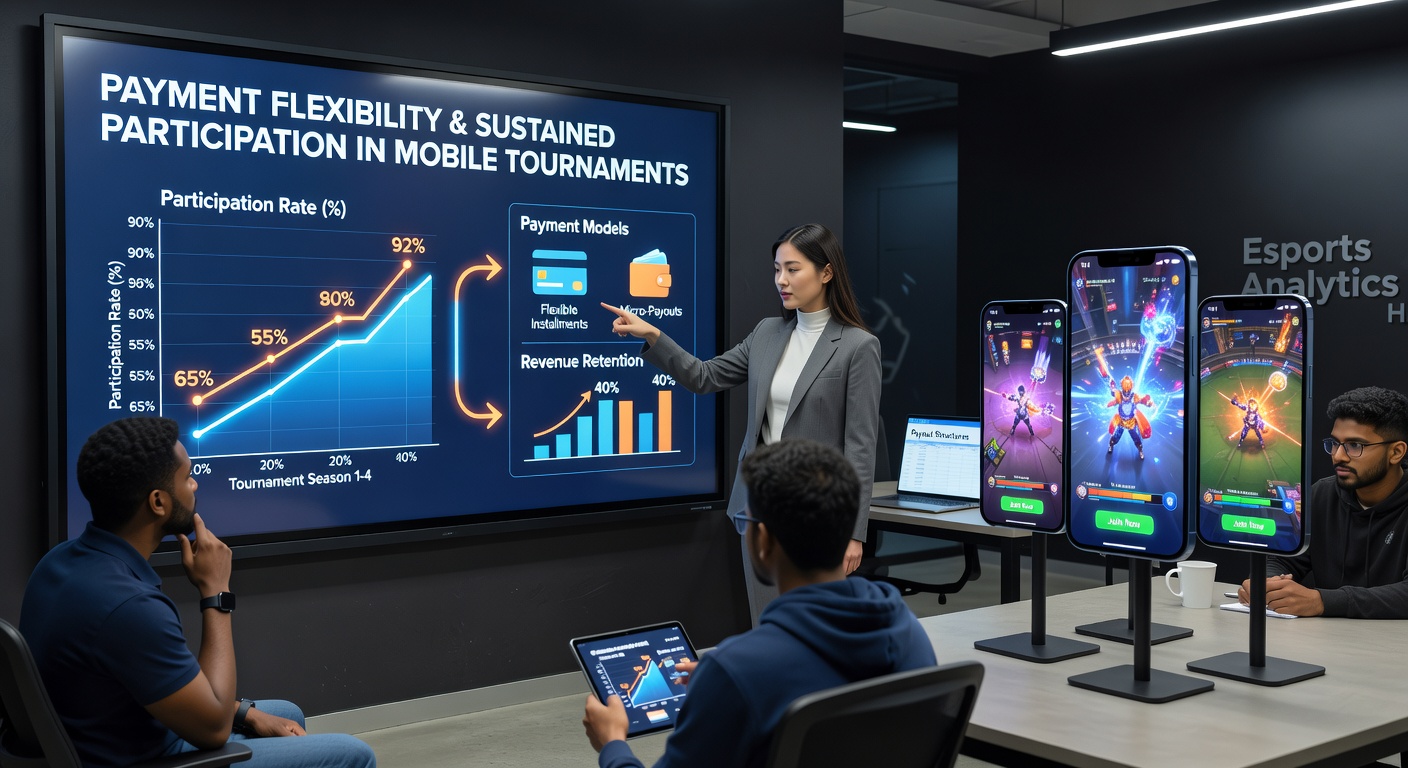
One study revealed patterns where users who encounter fewer payment hurdles maintain involvement across consecutive events, whereas rigid systems lead to pauses that disrupt momentum. What's interesting is how these mechanics extend beyond individual play sessions, influencing group dynamics in team-based circuits where shared wallets or pooled entries require coordinated flexibility to avoid bottlenecks. Experts have observed that loyalty tiers emphasizing payment variety often exhibit stronger cross-event retention, particularly when combined with mobile notifications that highlight unlocked benefits in real time.
Regional Variations and Emerging Trends
Geographic differences appear in how payment flexibility manifests, with markets emphasizing regulatory clarity around digital transfers showing steadier growth in circuit participation. According to analyses from the Responsible Gambling Council of Canada, regions with robust consumer protection frameworks around instant payments report balanced engagement without spikes in problematic patterns. Similar observations come from Australian research bodies tracking mobile gaming trends, where loyalty structures adapt to local banking standards that prioritize speed and security.
Trends through mid-2026 highlight expansions in cross-border compatibility, allowing participants to carry progress across circuits using unified payment profiles. This development supports sustained involvement by reducing the need to reset accounts or navigate varying compliance steps, which previously fragmented user journeys. Data indicates these adaptations contribute to longer average participation spans, especially among users who value consistency in how deposits and withdrawals align with tournament schedules.
Conclusion
Payment flexibility operates as a structural element supporting continued activity in mobile tournament circuits alongside tiered loyalty programs, with evidence pointing to improved retention metrics where seamless options prevail. As circuits evolve and loyalty frameworks refine their reward pathways, the role of adaptable transactions remains a consistent driver according to operational and academic tracking. Continued monitoring of these intersections will clarify further refinements in how systems accommodate diverse player needs while maintaining engagement over time.