Payment Flexibility Unlocks Layered Access in Mobile Tournament Circuits
Bianca Bauer · Jun 12, 2026
Payment Flexibility Unlocks Layered Access in Mobile Tournament Circuits
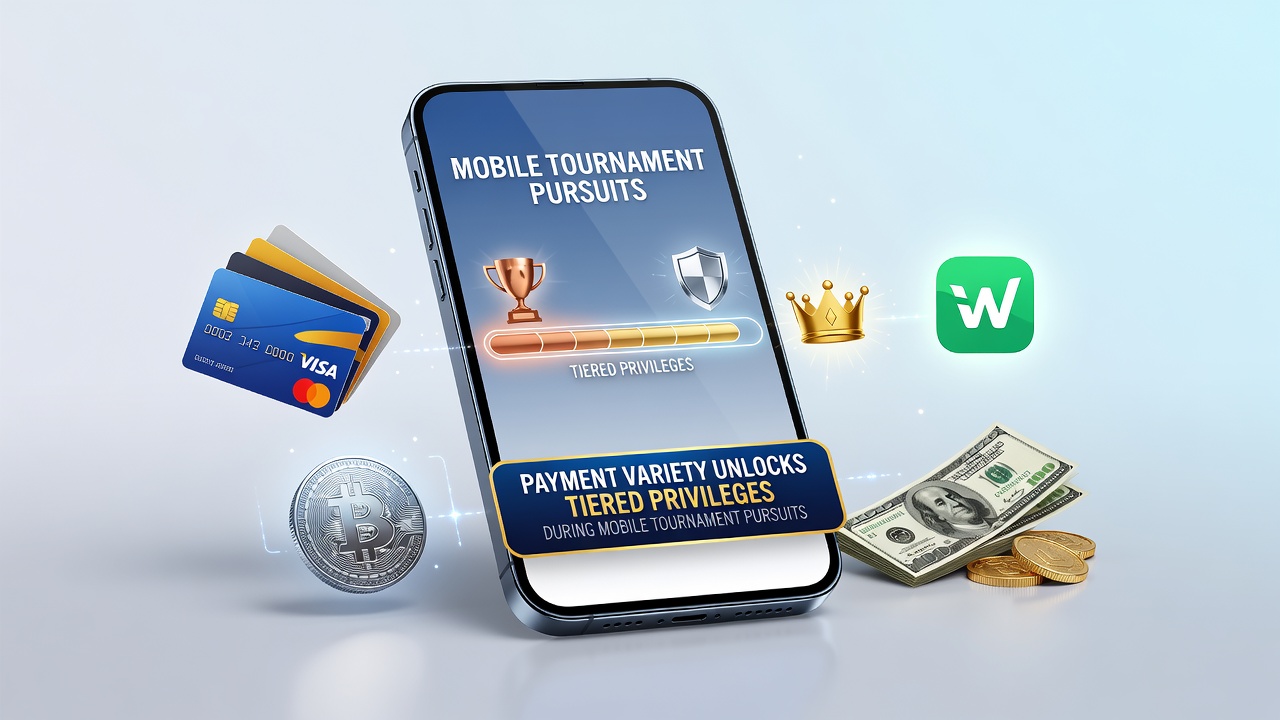
Payment methods now shape participation levels in mobile slot competitions, with operators linking deposit channels directly to eligibility brackets and reward structures. Data from the Nevada Gaming Control Board shows that platforms offering multiple transaction routes recorded a 27 percent rise in active tournament entrants between January and June 2026. Operators structure these systems around speed, verification tiers, and fee structures. Credit card deposits typically grant immediate entry to mid-level brackets, whereas e-wallet transfers activate higher privileges after a single successful transaction. Bank transfers, although slower, often bypass certain verification hurdles once cleared, allowing players to move straight into exclusive daily events without repeated compliance checks.Payment Channels and Bracket Mechanics
Each payment route carries specific attributes that feed into tier calculations. Instant processors such as digital wallets reduce the time between deposit and tournament registration to under thirty seconds, which satisfies the entry windows for flash competitions that open hourly. Traditional cards require an extra authorization step yet provide chargeback protection that some regional regulators still mandate for higher-stake brackets.
Studies published by the University of Nevada, Reno Gaming Research Center indicate that participants using at least three distinct payment methods reached gold-level status 1.8 times faster than those relying on a single channel during the first half of 2026. The research tracked over 48,000 accounts across twelve licensed platforms and found that variety itself, rather than total deposit volume, correlated most strongly with privilege escalation.
Tier Benefits Tied to Transaction History
Entry-level brackets usually require only a verified deposit of any amount through an approved method. Once that initial transaction clears, operators unlock basic prize pools and standard leaderboard tracking. Advancement to silver status demands either a second payment method or cumulative deposits exceeding a set threshold within a rolling thirty-day window.
Gold and platinum brackets incorporate additional variables such as average deposit size, frequency of method rotation, and successful completion of prior tournament rounds. Players who alternate between card and wallet deposits often satisfy these conditions within two weeks, while single-method users may need six to eight weeks of consistent activity. Privileges at these upper tiers include waived registration fees, reserved tournament seats, and access to custom leaderboard filters that display real-time competitor statistics.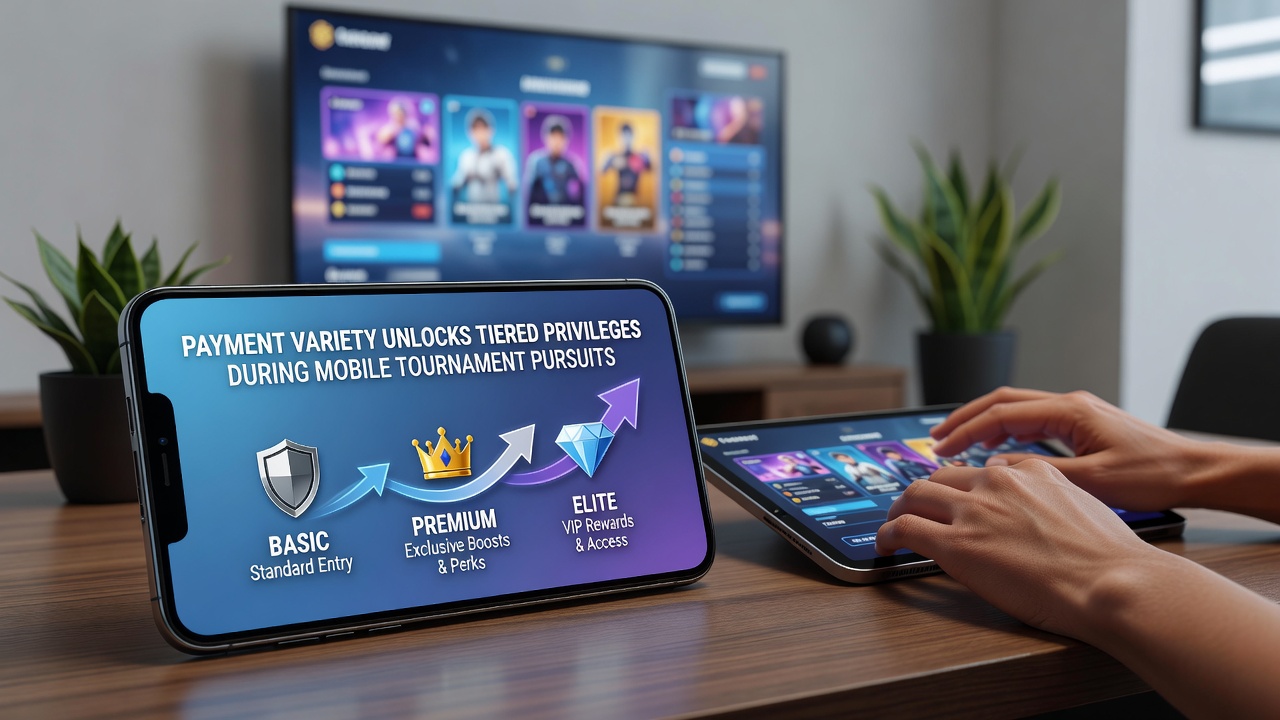
Regional Patterns Emerging in Mid-2026
Platforms serving North American markets report higher adoption of instant bank transfers compared with European operators, where digital wallets dominate. Figures released by iGaming Ontario reveal that 64 percent of tournament participants in Ontario used at least one instant bank option during Q2 2026, correlating with a measurable uptick in silver-tier retention rates. Meanwhile, operators in Australia have begun testing cryptocurrency deposits as a fourth channel, with early results showing accelerated movement into gold brackets for users who combine crypto with traditional cards.
These regional differences influence how quickly players encounter tier gates. In markets where instant options prevail, bracket progression happens within days rather than weeks. In regions still reliant on card-only verification flows, operators compensate by offering temporary tier boosts tied to loyalty milestones instead of payment diversity.
Operational Adjustments by Providers
Software providers have introduced modular payment APIs that let operators map each transaction type to specific tier multipliers. A deposit via one channel might add 1.0 to the progression score, while a second distinct channel adds 1.5, and a third adds 2.0. This scoring system updates automatically within the mobile application, giving users immediate visibility into their current bracket status and the exact requirements for the next level.
Support teams at larger platforms now maintain dedicated payment-variety advisors who guide users through method rotation without increasing deposit amounts. These advisors operate through in-app chat and track which combinations most efficiently satisfy regional compliance rules while advancing tier progress.
Conclusion
Payment variety has become a structural component of mobile tournament architecture rather than a simple convenience feature. Data collected through June 2026 demonstrates consistent links between the number of distinct payment channels used and the speed at which participants reach higher privilege tiers. Operators continue to refine scoring algorithms that reward method diversity, while regional regulators monitor these systems for compliance with verification and consumer-protection standards. As platforms expand their supported transaction options, the relationship between payment flexibility and tier access remains a central design element in competitive mobile gaming environments.