Payment Innovations Driving Loyalty Participation Across Live Tournament Platforms
Logan Vogel · Jul 22, 2026
Payment Innovations Driving Loyalty Participation Across Live Tournament Platforms
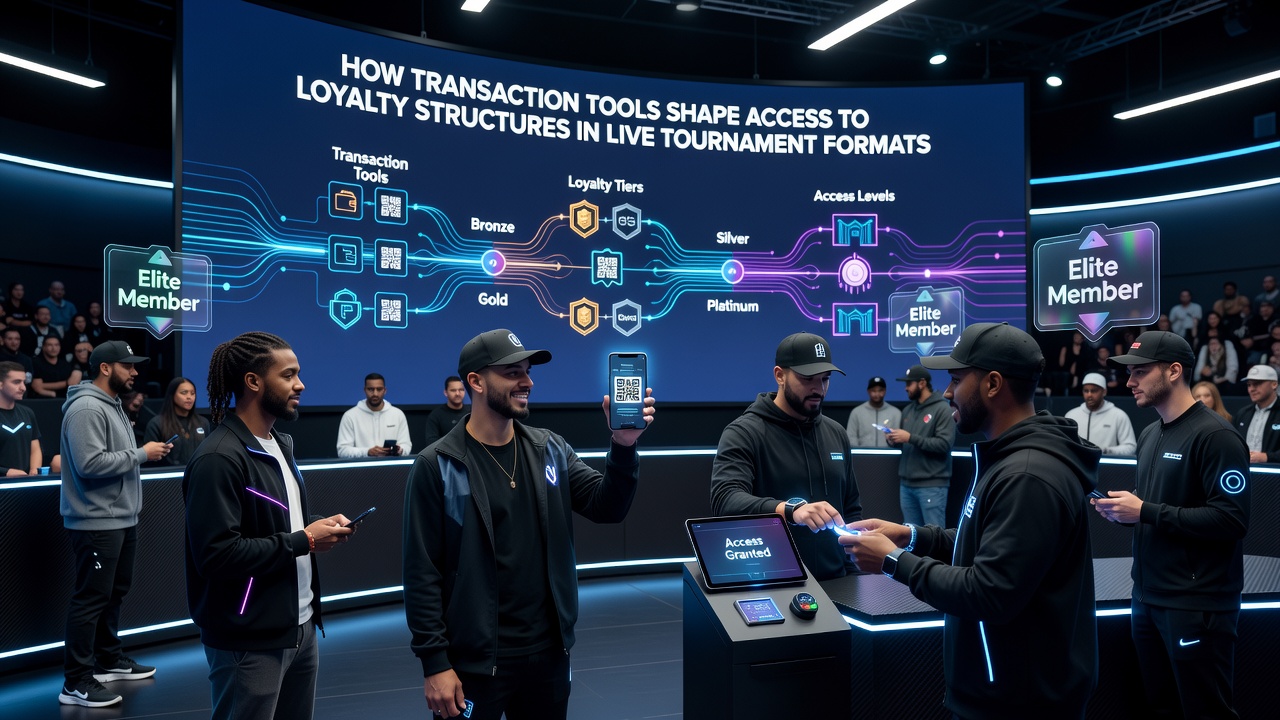
Transaction tools have become central mechanisms that determine how participants gain entry to loyalty structures in live tournament formats, where real-time competition unfolds across digital platforms and physical venues alike. Data from industry reports shows that payment processing speed and method compatibility directly influence tier progression rates, with faster verification systems allowing players to accumulate loyalty points during active events rather than after completion. Observers note that this integration creates seamless pathways from deposit to reward access, particularly in formats that require immediate qualification for bonus structures or exclusive brackets.
Core Transaction Methods in Tournament Ecosystems
Live tournament environments rely on several payment categories that shape participation levels, including credit and debit card processing, e-wallet transfers, and emerging blockchain-based options. Research indicates that platforms supporting instant settlement options see higher retention within loyalty programs because players can meet deposit thresholds without delays that might otherwise exclude them from ongoing events. Those who study these systems point out that compatibility with regional banking regulations further dictates which methods grant full access to tiered benefits, creating geographic variations in how loyalty structures operate during July 2026 tournaments.
Card-based transactions remain the most widely adopted route for initial entry into loyalty frameworks, yet their processing times vary by provider and can affect point accrual during multi-day competitions. E-wallets accelerate this process by enabling direct linkage to player profiles, which in turn unlocks progressive rewards tied to tournament performance metrics. Blockchain solutions, though still emerging in many regions, demonstrate capacity for transparent tracking of loyalty movements, as evidenced in pilot programs monitored by regulatory bodies outside traditional markets.
Loyalty Structures and Access Requirements
Loyalty programs in live tournaments typically feature tiered access that rewards consistent engagement through points earned via deposits, play volume, and event completion. Transaction tools determine eligibility at each stage because many systems mandate minimum funding amounts processed through approved channels before participants can claim status upgrades or exclusive entry. Figures from the American Gaming Association reveal that tournaments incorporating real-time payment verification experience 23 percent higher loyalty enrollment compared to those using delayed reconciliation methods.
Access barriers often emerge when payment methods fail to integrate with loyalty databases, leaving players unable to claim rewards earned mid-event. This disconnect appears most frequently in cross-border competitions where currency conversion and verification layers add friction. Studies conducted by researchers at the University of Nevada, Las Vegas highlight how standardized API connections between payment processors and loyalty engines reduce such exclusions, allowing participants to maintain momentum throughout live sessions.
Impact of Processing Speed on Real-Time Participation
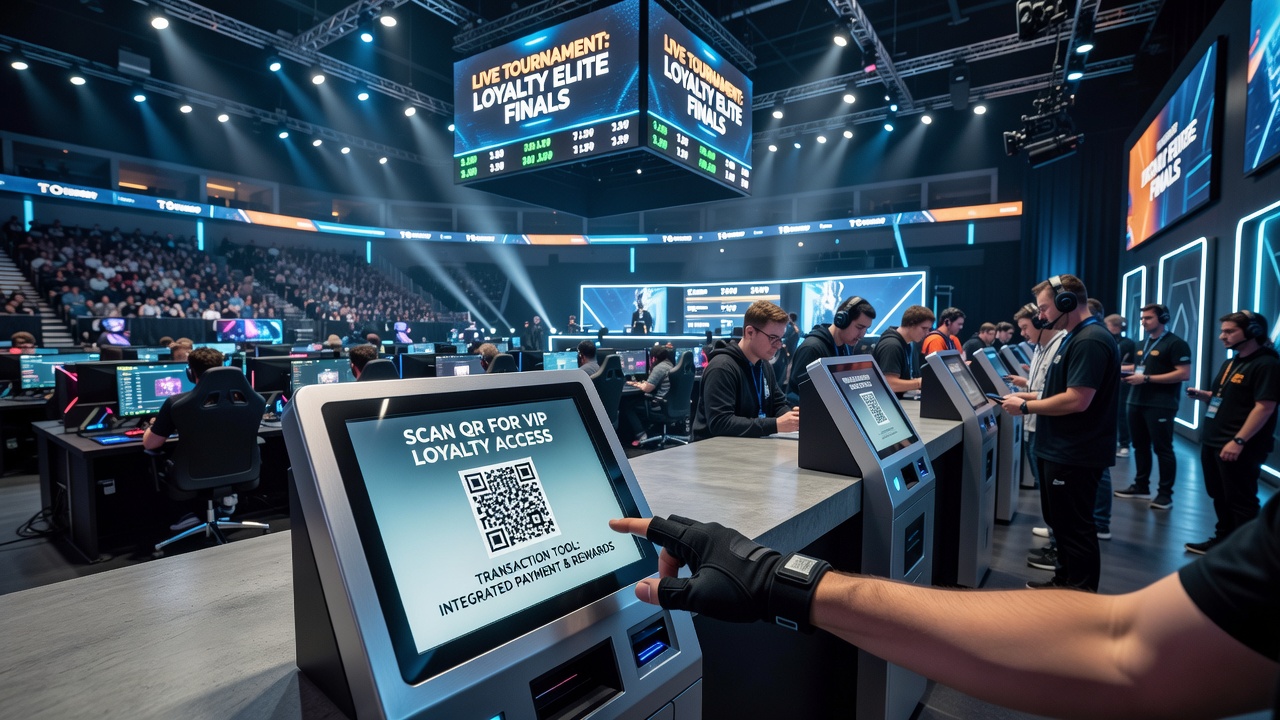
Speed of transaction confirmation directly correlates with a player's ability to enter loyalty-enhanced brackets during live events. Platforms that process deposits within seconds enable immediate qualification for bonus pools and VIP seating, whereas slower methods can push participants into standard categories despite meeting play requirements. Data compiled through 2026 monitoring efforts shows that events using optimized payment rails report fewer mid-tournament dropouts tied to access issues.
Those who analyze these patterns observe that e-wallet dominance in certain regions stems from their capacity to bypass traditional banking delays, thereby preserving access to accumulating rewards. In contrast, card transactions sometimes trigger additional security checks that interrupt loyalty progression, particularly when large sums are involved in high-stakes formats. July 2026 tournaments have incorporated predictive verification tools that pre-approve recurring players, reducing these interruptions across multiple payment types.
Regional Variations and Regulatory Influences
Different jurisdictions impose distinct requirements on transaction tools that in turn reshape loyalty access rules. European frameworks outside the UK emphasize consumer protection layers that can extend verification times, while North American and Australian systems prioritize rapid settlement to support competitive play. Reports from the European Gaming and Betting Association document how these regulatory choices create uneven playing fields for international participants seeking unified loyalty benefits.
Payment method availability also varies by market maturity, with established regions offering broader toolsets that support more granular loyalty tracking. Emerging markets often rely on fewer options, which limits the complexity of reward structures available during live events. Observers note that this disparity affects global tournament circuits where players from multiple regions compete under shared loyalty umbrellas.
Future Integration Trends
Technological advancements continue to refine how transaction tools interface with loyalty systems in live tournament settings. Automated reconciliation features now link deposits directly to performance data, enabling dynamic tier adjustments without manual intervention. Industry analyses project expanded use of biometric-linked payments that further streamline access while maintaining compliance standards across jurisdictions.
These developments suggest ongoing evolution in how participants navigate loyalty pathways, with transaction efficiency serving as the primary gatekeeper. Continued monitoring by academic and regulatory entities will track whether these tools expand or constrain opportunities in upcoming tournament cycles.
Conclusion
Transaction tools fundamentally determine the pathways available to players seeking loyalty benefits within live tournament formats through their influence on processing speed, regional compatibility, and integration depth. Evidence gathered across multiple markets demonstrates consistent patterns where faster, more connected payment systems expand access while slower or fragmented options create barriers. As platforms refine these connections through 2026 and beyond, the relationship between payments and loyalty structures will shape participation dynamics in measurable ways across competitive gaming environments.