The Fusion of Live Player Interactions and Incentive Building in Mobile Tournament Environments
Zoe Vogel · Aug 19, 2026
The Fusion of Live Player Interactions and Incentive Building in Mobile Tournament Environments
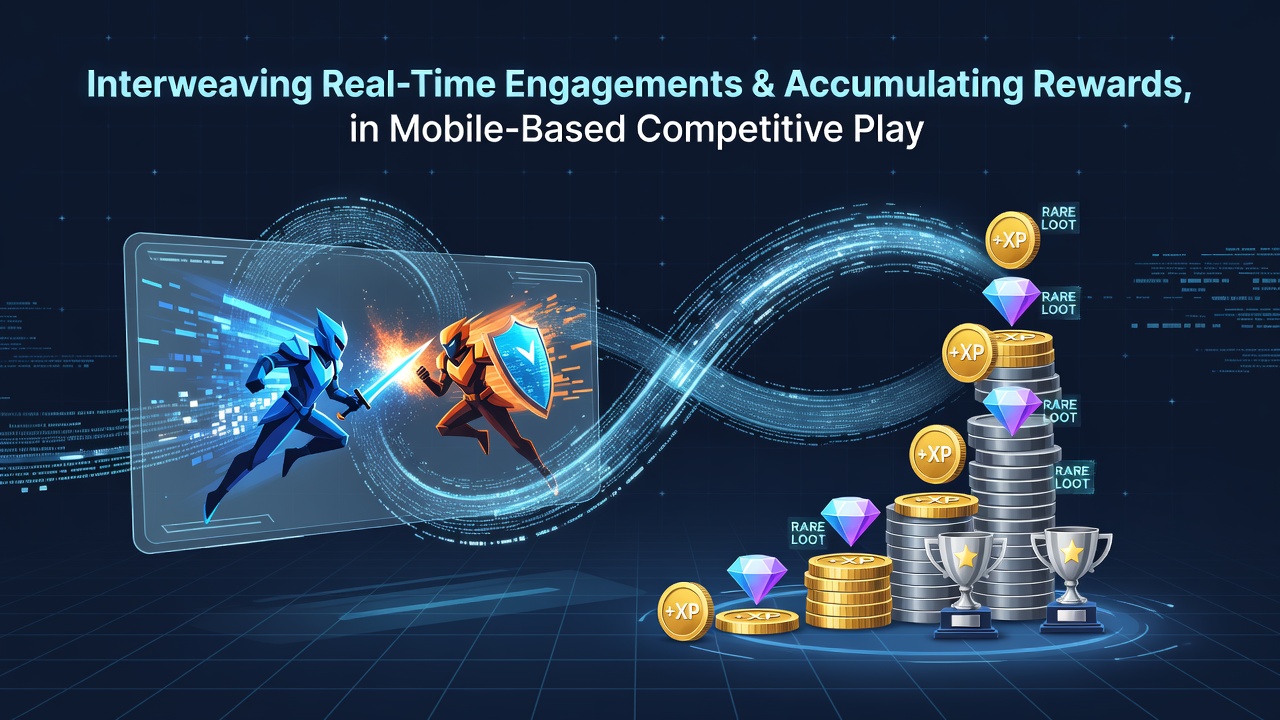
Developers have crafted mobile platforms where instantaneous match participation merges directly with layered incentive mechanisms, allowing participants to earn points, badges, and virtual assets during active sessions that feed into broader progression frameworks. Data from industry analyses released in August 2026 indicate that over 450 million users worldwide engaged in such integrated systems across major titles, with session lengths averaging 45 minutes when real-time feedback loops connected directly to reward tallies.
Mechanics of Instantaneous Competition
Real-time engagements in mobile competitive play rely on synchronized server architectures that update player actions within milliseconds, enabling head-to-head battles or team-based objectives where every move influences immediate scoring. Researchers at institutions like the University of Southern California documented how these systems process inputs from touch gestures, device sensors, and network data to deliver seamless rivalries, with latency below 50 milliseconds becoming standard in top-performing applications. Participants accumulate base metrics such as kill counts, objective captures, or survival durations that convert instantly into visible progress bars, fostering continued involvement without requiring separate menu navigation.
Integration of Live Actions with Ongoing Accumulation
Accumulating rewards occurs through algorithms that tally contributions across multiple matches, converting real-time performance into tiered unlockables like character upgrades, currency packs, or entry tickets for larger events. Observers note that this interweaving happens via persistent player profiles that sync across devices, so a strong showing in an afternoon skirmish directly elevates standing for evening tournaments. Studies from the Entertainment Software Association reveal that titles employing this model saw retention rates climb to 68 percent after six months, compared to 42 percent in games lacking immediate reward linkage. And the process extends beyond single sessions because daily or weekly challenges pull from aggregated data, turning isolated plays into sustained campaigns.
Platform Features Supporting Combined Systems
Mobile operating systems and app frameworks provide APIs that handle concurrent data streams for live scoring and backend reward ledgers, allowing developers to layer social elements such as friend invites or clan competitions onto the core loop. One example involves battle royale formats where elimination events trigger instant point deposits while global leaderboards refresh every few seconds, pulling from thousands of concurrent users. Figures released by the Canadian Interactive Digital Media Association in mid-2026 showed that 72 percent of top-grossing competitive mobile titles incorporated at least three reward pathways tied to real-time metrics, including streak multipliers and milestone bonuses. Those pathways often appear as overlay notifications during play, minimizing disruption while reinforcing the connection between action and accrual.
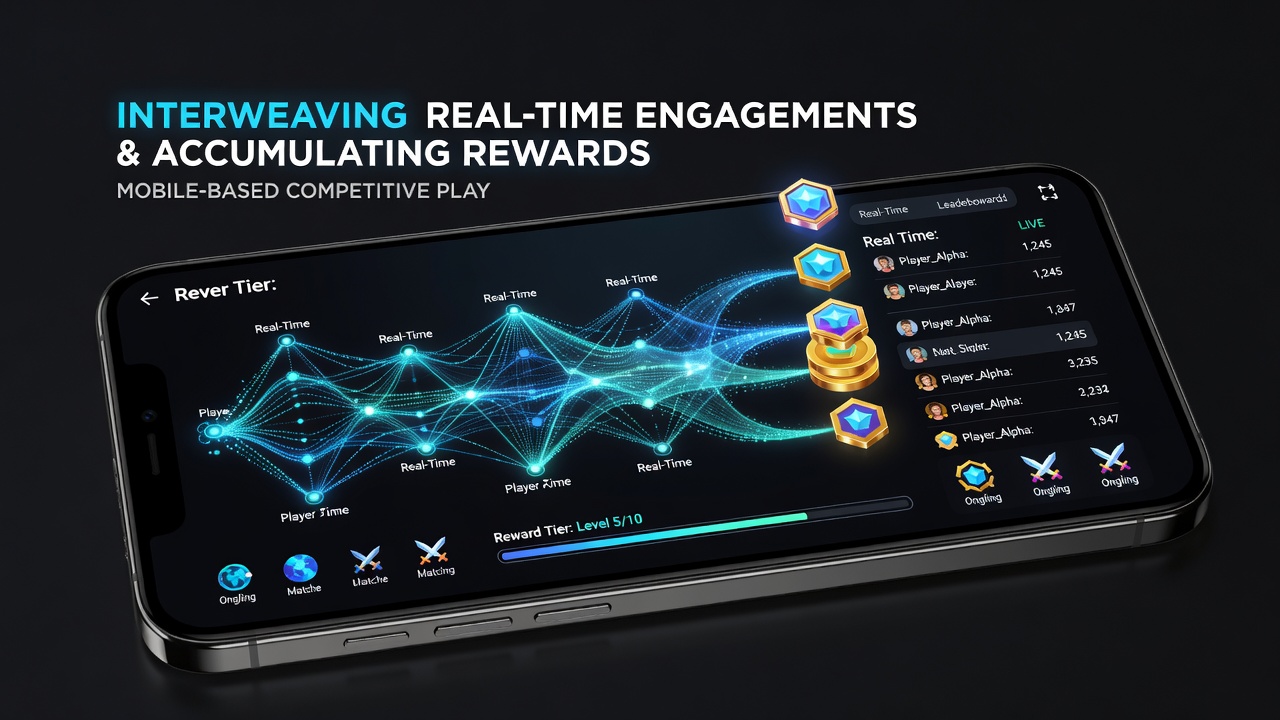
Regional variations appear in how these features roll out, with European markets emphasizing data privacy controls around reward tracking and Asian markets focusing on high-frequency event cycles. The Australian Classification Board reported in August 2026 that mobile competitive titles with integrated real-time and accumulation features accounted for 31 percent of new releases that quarter, up from 19 percent the prior year. Developers achieve this balance through modular design, where core gameplay engines feed separate modules for scoring and inventory management without introducing lag.
Case Examples from Established Titles
Take one popular strategy game where real-time arena matches award resource tokens that feed into a larger campaign mode, letting players upgrade units between sessions based on accumulated totals. There's this case where experts found that participants who joined weekly ranked seasons earned exclusive cosmetics only available through combined performance thresholds, driving organized team play. Another instance appears in racing simulations that log lap times instantly and convert them into championship points, with top accumulators receiving vehicle customizations that carry forward into future events. People who've studied these patterns observe that the most successful implementations limit reward visibility to post-match summaries, preserving focus during active engagements while still providing clear progression signals.
Trends Observed Through 2026 Data
Market reports compiled by the Global Esports Federation indicate steady growth in mobile segments that blend live competition with layered incentives, projecting user bases exceeding 600 million by year-end. What's interesting is how cross-platform compatibility has expanded access, letting console or PC players join mobile-hosted events and carry rewards across ecosystems. Yet challenges persist around server capacity during peak tournament windows, where simultaneous real-time tracking for millions of users demands robust cloud scaling. And evidence from academic papers published in 2026 suggests that clear visualization of accumulating rewards during live play correlates with higher completion rates for seasonal objectives.
Future Directions in Mobile Competitive Design
Engineers continue refining algorithms that predict optimal reward timing based on engagement patterns, ensuring real-time actions feel meaningfully connected to long-term gains. Industry organizations such as the Interactive Software Federation of Europe have tracked adoption of these hybrid models across member studios, noting increased investment in analytics tools that measure both instantaneous performance and cumulative progress. The result appears in updated title roadmaps where seasonal events draw directly from aggregated player data rather than static schedules.
Conclusion
Interweaving real-time engagements with accumulating rewards forms a core structure in contemporary mobile competitive play, supported by technical infrastructure and data trends documented through August 2026. This approach sustains player involvement across sessions while delivering measurable outcomes tied to individual and group performance. Continued refinement by developers and monitoring by regional bodies will shape how these elements evolve in upcoming releases.