Tournament Integration in Digital Gaming: Pathways from Live Dealer Play to Progressive Rewards Through Loyalty Applications
Petra Ludwig · Aug 9, 2026
Tournament Integration in Digital Gaming: Pathways from Live Dealer Play to Progressive Rewards Through Loyalty Applications
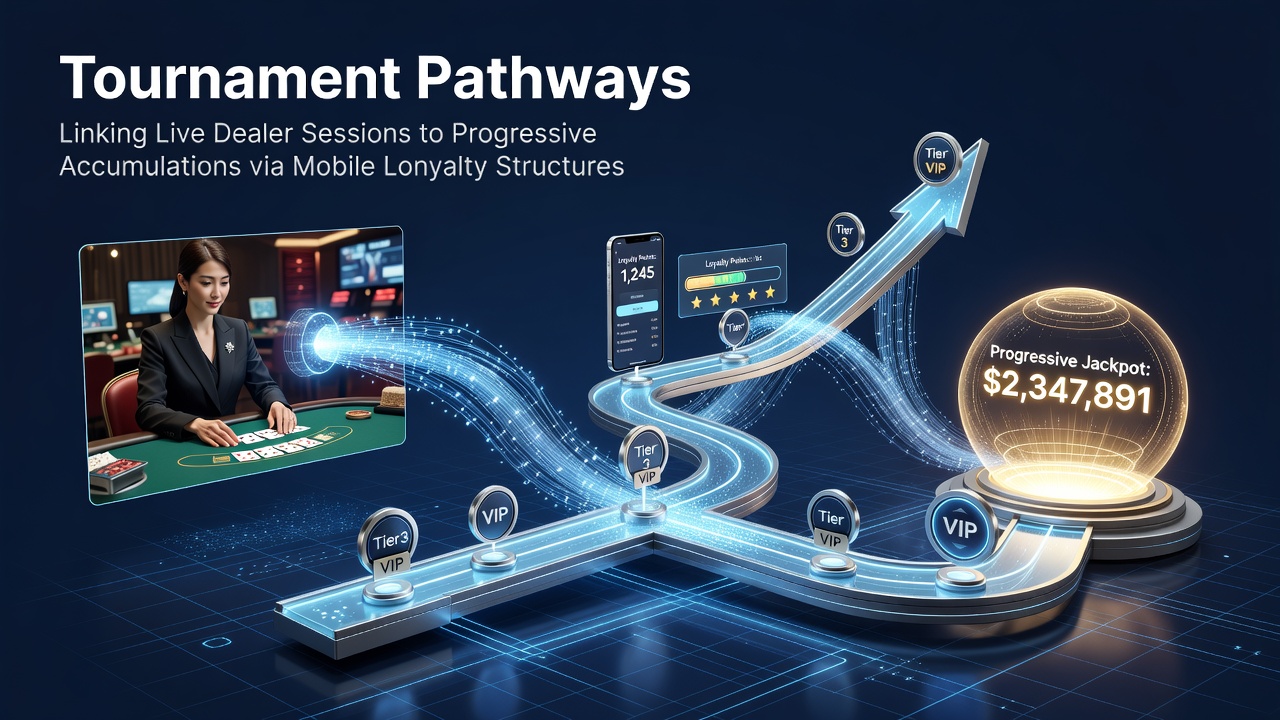
Modern gaming platforms have developed structured tournament pathways that connect live dealer sessions directly to progressive jackpot accumulations through mobile loyalty programs, and these systems operate by tracking player activity across multiple formats while converting participation into reward points that unlock tournament access and contribute to shared prize pools.
Live Dealer Sessions as Entry Points
Live dealer tables function as initial access points where participants engage in real-time games such as blackjack or roulette, and activity during these sessions generates loyalty metrics that feed into broader tournament frameworks. Data collected from these interactions includes session duration, wager amounts, and outcomes, which mobile applications then process to assign points or qualifying status. Observers note that this integration allows players to move from table-based play into competitive events without separate registration steps, since the loyalty structure automatically registers eligible activity.
Industry reports indicate that such pathways have expanded in several regions by August 2026, with operators updating mobile interfaces to display real-time qualification progress during live sessions. These updates rely on backend systems that synchronize data across live dealer software and loyalty databases, ensuring that points earned at physical or streamed tables translate into tournament entries.
Mobile Loyalty Structures and Data Flow
Mobile loyalty applications serve as the central hub that records activity from live dealer sessions and routes it toward progressive accumulation mechanisms. Users accumulate tiered rewards based on consistent participation, and these tiers determine eligibility for specific tournament brackets. The applications employ algorithms that calculate contribution rates, where a portion of each wager in live sessions adds to both personal loyalty balances and collective progressive meters.
According to statistics released by the American Gaming Association, loyalty program participation across digital platforms showed measurable increases in cross-format engagement during the first half of 2026. These figures reveal that players who combine live dealer activity with mobile tracking tend to generate higher overall contribution volumes to progressive pools compared with those limited to single-format play.
Progressive Accumulations Through Tournament Routes
Tournament structures channel loyalty points into progressive jackpot systems by allocating percentages of entry fees or point redemptions directly into growing prize funds. When participants qualify via mobile-tracked live sessions, their accumulated metrics determine seed amounts or multiplier bonuses applied to the main progressive total. This process creates a continuous loop where live play fuels tournament competition, which in turn accelerates progressive growth.
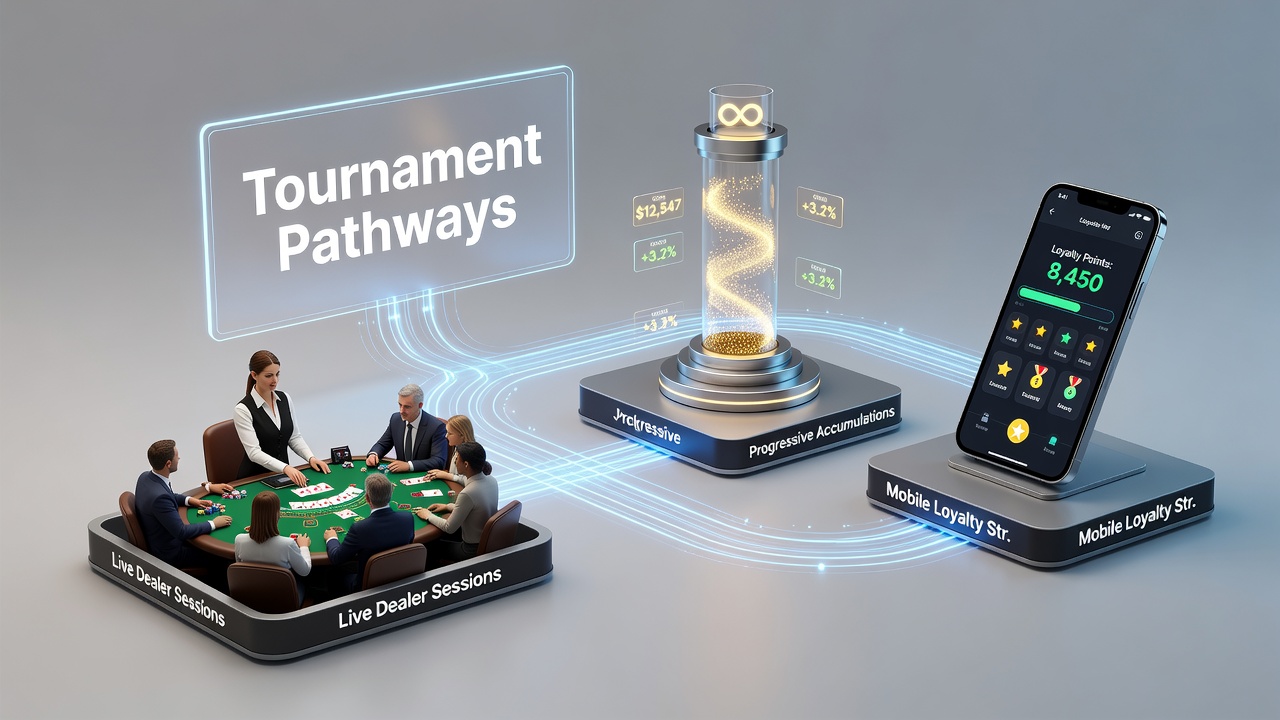
Research from the European Gaming and Betting Association highlights that integrated loyalty pathways have supported steady growth in progressive jackpot sizes across participating networks. The association's analysis covers multiple jurisdictions and notes that tournament-linked contributions represent an increasing share of total progressive funding in markets where mobile loyalty programs operate at scale.
Operational Mechanics in August 2026
By August 2026, several platforms had refined synchronization protocols between live dealer feeds and mobile loyalty ledgers to reduce latency in point allocation. These refinements allow tournament brackets to populate dynamically based on live session performance, with progressive meters updating at fixed intervals tied to tournament milestones. Players receive notifications through the mobile application when their activity qualifies them for higher-stakes events or unlocks additional progressive shares.
Case examples from operators in North American and Australian markets demonstrate consistent implementation of these pathways. In one documented setup, loyalty points earned during evening live dealer shifts automatically converted into tournament tickets the following day, with a fixed percentage of the converted value added to a network-wide progressive fund. This model maintains separation between individual rewards and collective accumulations while preserving traceability through the mobile interface.
Regulatory and Technical Considerations
Regulatory frameworks in various regions require clear disclosure of how loyalty points convert into tournament entries and progressive contributions. Compliance systems embedded in mobile applications track these conversions and generate audit reports that verify fair allocation. Technical standards established by industry groups ensure that data transfers between live dealer platforms and loyalty databases maintain encryption and accuracy throughout the process.
Those who have examined these systems note that the pathways reduce friction for participants by consolidating qualification, entry, and reward tracking into a single mobile experience. The result appears in aggregated industry data showing sustained player movement across live, tournament, and progressive formats within the same loyalty ecosystem.
Conclusion
The described tournament pathways illustrate how live dealer sessions, mobile loyalty structures, and progressive accumulations operate as interconnected components within contemporary gaming platforms. Data flows from real-time table activity through application-based tracking into competitive events that simultaneously build collective prize pools. As of August 2026, these integrations continue to evolve through technical updates and regulatory oversight, maintaining structured connections across formats while supporting measurable growth in both participation metrics and jackpot totals.