Tournament Mechanics Transforming Prize Distribution in Unified Digital Gaming Networks
Petra Ludwig · Aug 5, 2026
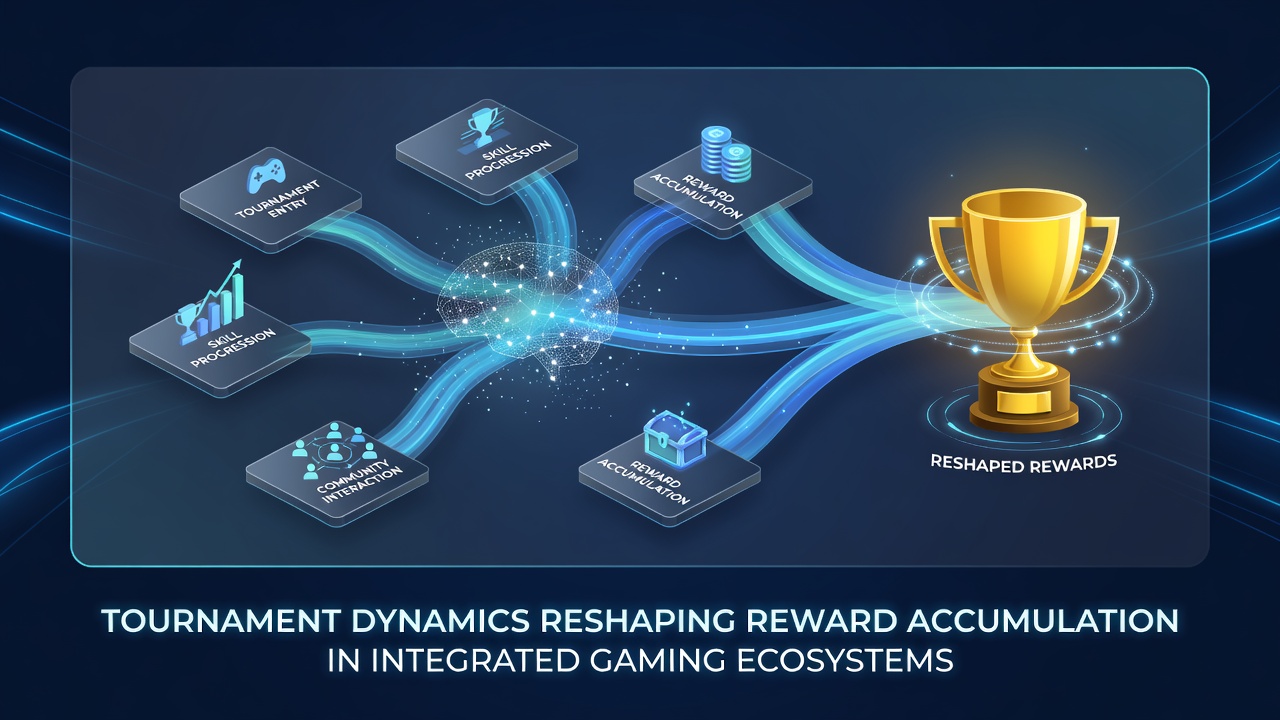
Tournament Mechanics Transforming Prize Distribution in Unified Digital Gaming Networks
Tournament mechanics have begun altering how players accumulate rewards across connected gaming platforms, with data from regulatory bodies in multiple regions showing shifts in participation patterns and prize allocation methods. In August 2026 figures released by the Nevada Gaming Control Board revealed increased integration of competitive formats that link daily play sessions to larger ecosystem-wide reward pools, creating pathways where individual performance influences collective prize distribution rather than isolated spin outcomes alone.
Core Structural Changes in Tournament Reward Models
Platform operators now combine real-time leaderboards with progressive reward tiers, and this setup allows participants to earn points that convert into credits usable across multiple game types within the same network. Studies from the University of Nevada, Reno gaming research center have documented how these systems track metrics such as session duration, wager frequency, and completion rates to determine tier advancement, moving away from traditional fixed jackpot structures toward dynamic accumulation based on competitive positioning. Observers note that players who maintain consistent performance across linked titles often reach higher reward brackets faster than those relying solely on random outcomes, since the mechanics reward sustained engagement metrics over single-event luck.
Integrated ecosystems use shared databases to synchronize progress between mobile applications and desktop interfaces, which means a tournament score earned on one device updates instantly on all connected accounts. This synchronization reduces fragmentation in reward tracking and enables operators to adjust prize pools in response to real-time participation levels, a practice confirmed in quarterly industry reports from the Canadian Gaming Association.
Data Patterns Emerging from Cross-Platform Competition
Participation statistics indicate that tournaments incorporating daily reset cycles alongside weekly cumulative rankings attract broader demographic segments than standalone progressive jackpot formats. Figures released in mid-2026 by Australian state gaming authorities showed a measurable rise in account activity during periods when tournament entry required only standard wager amounts rather than separate buy-ins, suggesting lower barriers encourage repeat visits across integrated titles. Those who've analyzed transaction logs across multiple operators point out that reward accumulation accelerates when points earned in one tournament phase carry forward to influence eligibility for subsequent events, creating chained incentive structures that span several weeks.
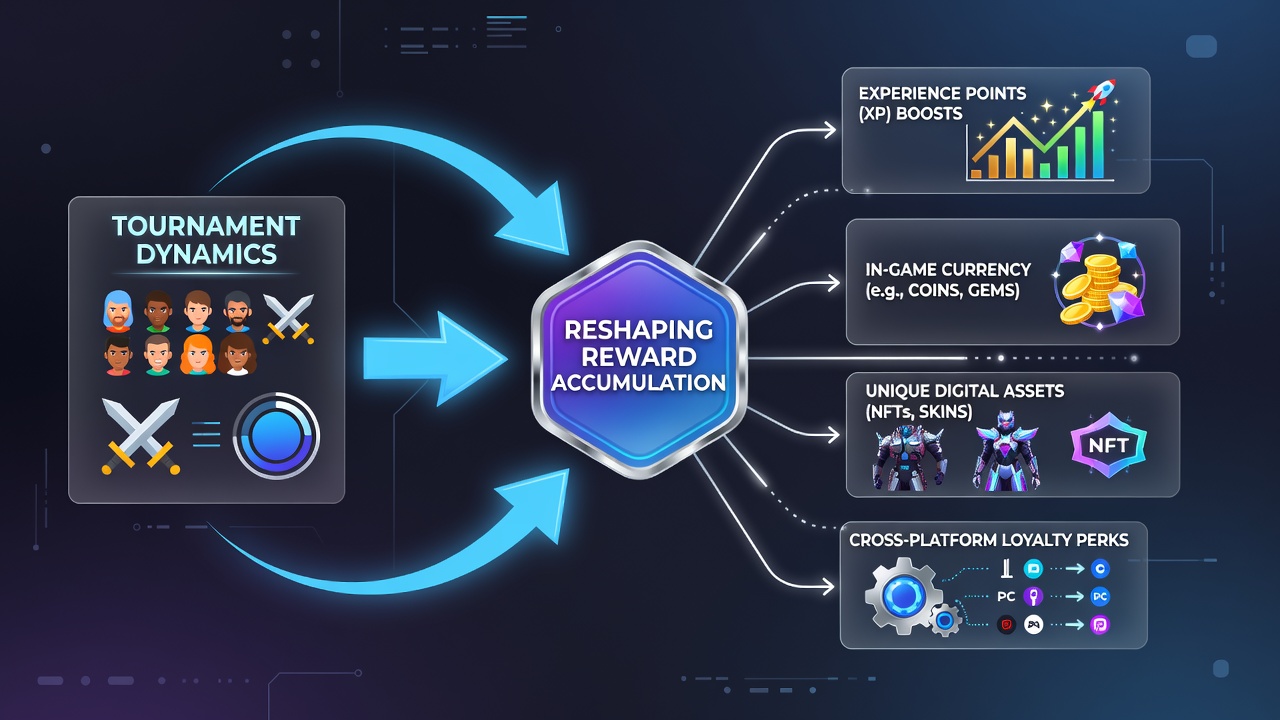
Platform analytics further reveal that integrated systems employing multiplier bonuses tied to leaderboard position generate higher average session lengths, because participants monitor rankings and adjust strategies mid-session to protect accumulated points. This behavioral shift appears in aggregated data from European operators who adopted unified tournament layers during 2025, where session extension correlated directly with visible progress toward tiered rewards rather than random prize triggers.
Technical Integration Behind Reward Flow
Backend architectures supporting these tournaments rely on API connections that pull data from individual game servers into centralized competition engines, allowing seamless point conversion across different titles. Developers implement standardized scoring algorithms that normalize performance across games with varying volatility levels, ensuring fair comparison when players switch between high-stakes and low-stakes options within the same ecosystem. According to technical documentation shared by industry associations, these connections also enable operators to apply dynamic difficulty adjustments based on overall tournament population, preventing early leaders from dominating without ongoing participation.
Security protocols now incorporate multi-factor verification for leaderboard entries to maintain integrity when large prize pools are at stake, and this requirement has become standard in jurisdictions requiring third-party audits of competitive gaming systems. The result is a reward accumulation process that blends individual skill expression with network-wide contribution, since points often feed into shared pools that distribute portions back to top performers while reserving segments for lower-tier participants who meet minimum activity thresholds.
Conclusion
Tournament dynamics continue to reshape reward accumulation by linking individual actions to collective outcomes across unified platforms, with evidence from diverse regulatory and academic sources confirming measurable changes in player behavior and prize distribution methods as of August 2026. These structures prioritize sustained engagement metrics and cross-title progress tracking, producing accumulation pathways that differ from earlier isolated jackpot models while maintaining compatibility with existing regulatory frameworks in multiple regions.