When Live Tables Meet Pocket Devices: Mapping Reward Pathways in Competitive Play Formats
Jakob Schulz · Jul 10, 2026
When Live Tables Meet Pocket Devices: Mapping Reward Pathways in Competitive Play Formats
Live dealer platforms now stream directly to smartphones and tablets, creating seamless connections between physical table environments and personal devices that participants carry everywhere. Observers note this integration expands access to games such as blackjack, roulette, and baccarat while preserving real-time interaction with human dealers through high-definition video feeds. Data from regulatory filings shows mobile traffic for live table products rose steadily through the first half of 2026, driven by improved network speeds and device processors capable of handling simultaneous video, chat, and betting functions.
Technology Behind the Integration
Streaming protocols compress dealer footage without noticeable lag, allowing players to place wagers via touch interfaces that mirror traditional felt layouts. Multi-camera setups capture angles from overhead, side, and close-up perspectives, then route those feeds through content delivery networks optimized for variable mobile bandwidth. Software layers overlay tournament timers, leaderboards, and reward meters directly onto the video window, so participants track both game progress and personal standings without switching applications. Engineers at several platform providers refined these overlays during 2025 beta tests, resulting in reduced battery drain and smoother frame rates on mid-range hardware.
Competitive Formats and Tournament Structures
Scheduled events bring together hundreds or thousands of mobile users in single-elimination or points-based competitions that run across multiple days. Sit-and-go formats start as soon as enough entrants register, while scheduled daily or weekly series accumulate prize pools from entry fees and operator contributions. Leaderboards update after each hand or spin, displaying cumulative scores that determine advancement or cash prizes. Research conducted at the University of Nevada Reno tracked participation patterns across three major operators and found that mobile-only tournaments attracted a broader age demographic than desktop equivalents, with session lengths averaging 47 minutes per participant.
Those who study engagement metrics report that push notifications and in-app reminders keep players informed about upcoming rounds or position changes, sustaining involvement without requiring constant screen presence. And because mobile devices travel with users, participants often rejoin during commutes or breaks, extending overall tournament duration compared with fixed-location play.

Mapping Reward Pathways
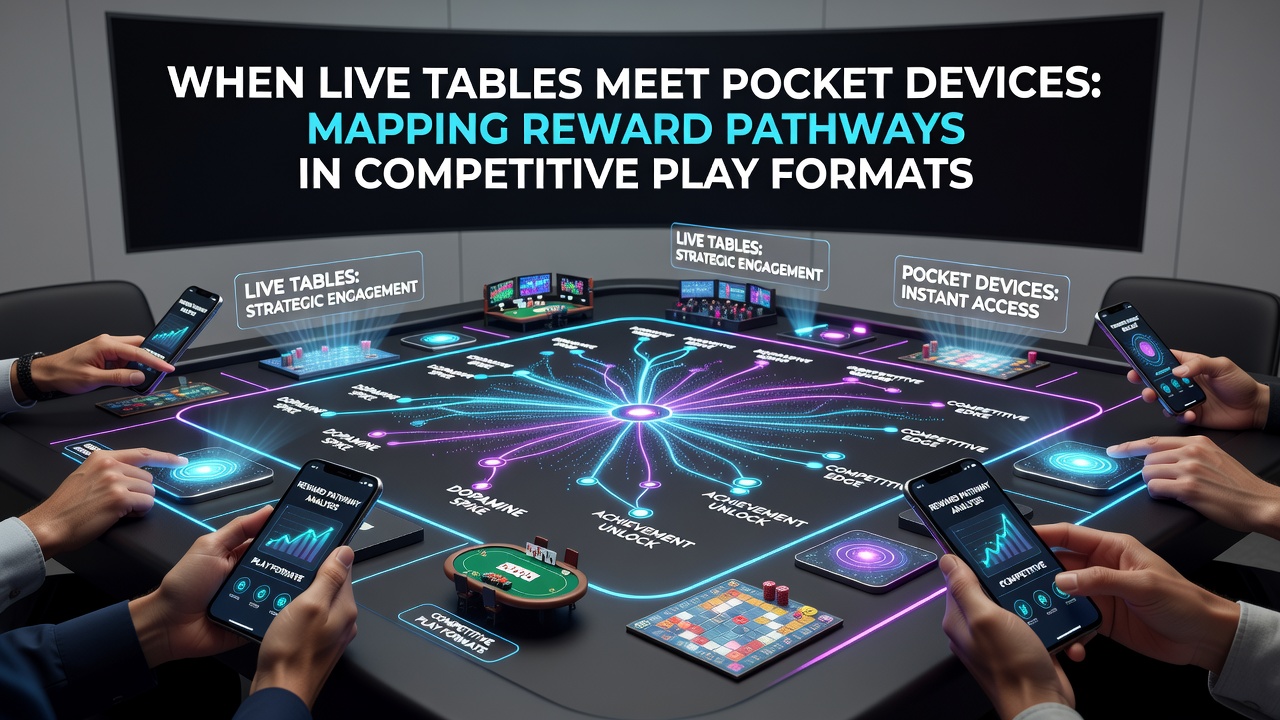
Operators structure incentives along multiple tracks that combine immediate returns with longer-term progression. Points earned from wagers convert into loyalty tiers that unlock higher betting limits, exclusive tournament seats, or cashback percentages. Separate challenge systems award badges or multipliers for completing daily objectives such as participating in a set number of hands or achieving specific win rates. These layered mechanisms create branching pathways where one activity feeds into others, allowing players to choose routes that match their preferred style of engagement. Figures released by the American Gaming Association in July 2026 indicate that integrated reward systems on mobile platforms now account for measurable portions of overall table-game revenue across participating jurisdictions.
Regulatory and Operational Considerations
Jurisdictions outside the United Kingdom have implemented distinct oversight frameworks that address mobile live table operations. Malta's Gaming Authority requires real-time monitoring of stream integrity and player fund segregation, while several Canadian provinces mandate geofencing and identity verification protocols before permitting tournament entry. Compliance teams employ automated tools that flag irregular betting patterns across devices, then route those alerts to human reviewers for final assessment. These safeguards operate alongside responsible gaming features such as session time limits and deposit caps that users can activate directly from the mobile interface.
Player Behavior and Platform Analytics
Analytics dashboards compile data on entry times, device types, and average bet sizes, enabling operators to adjust tournament schedules or reward thresholds. Patterns emerge when researchers cross-reference location data with participation spikes, revealing higher engagement during evening hours across multiple time zones. One documented case involved a European operator that shifted its largest weekly tournament start time by two hours after reviewing heat maps, resulting in a 19 percent increase in registered entrants the following month. Such adjustments occur routinely as platforms refine their understanding of mobile usage rhythms.
Future Developments in Competitive Play
Developers continue testing augmented reality overlays that project virtual chips or statistics onto the live feed, though widespread deployment remains limited by device compatibility. Cross-platform tournaments that mix mobile and desktop participants are also under evaluation, requiring synchronized timing systems to ensure fairness. Industry reports suggest these hybrid events could expand prize pools further while maintaining the core reward structures already established on pocket devices.
Conclusion
The convergence of live table streaming and mobile hardware has produced structured competitive environments where reward pathways function as interconnected systems rather than isolated bonuses. Data continues to accumulate from operators and academic observers alike, mapping how players navigate these pathways across different formats and jurisdictions. As network infrastructure and device capabilities advance, the frameworks described here are expected to evolve while preserving the factual patterns already documented through mid-2026.